
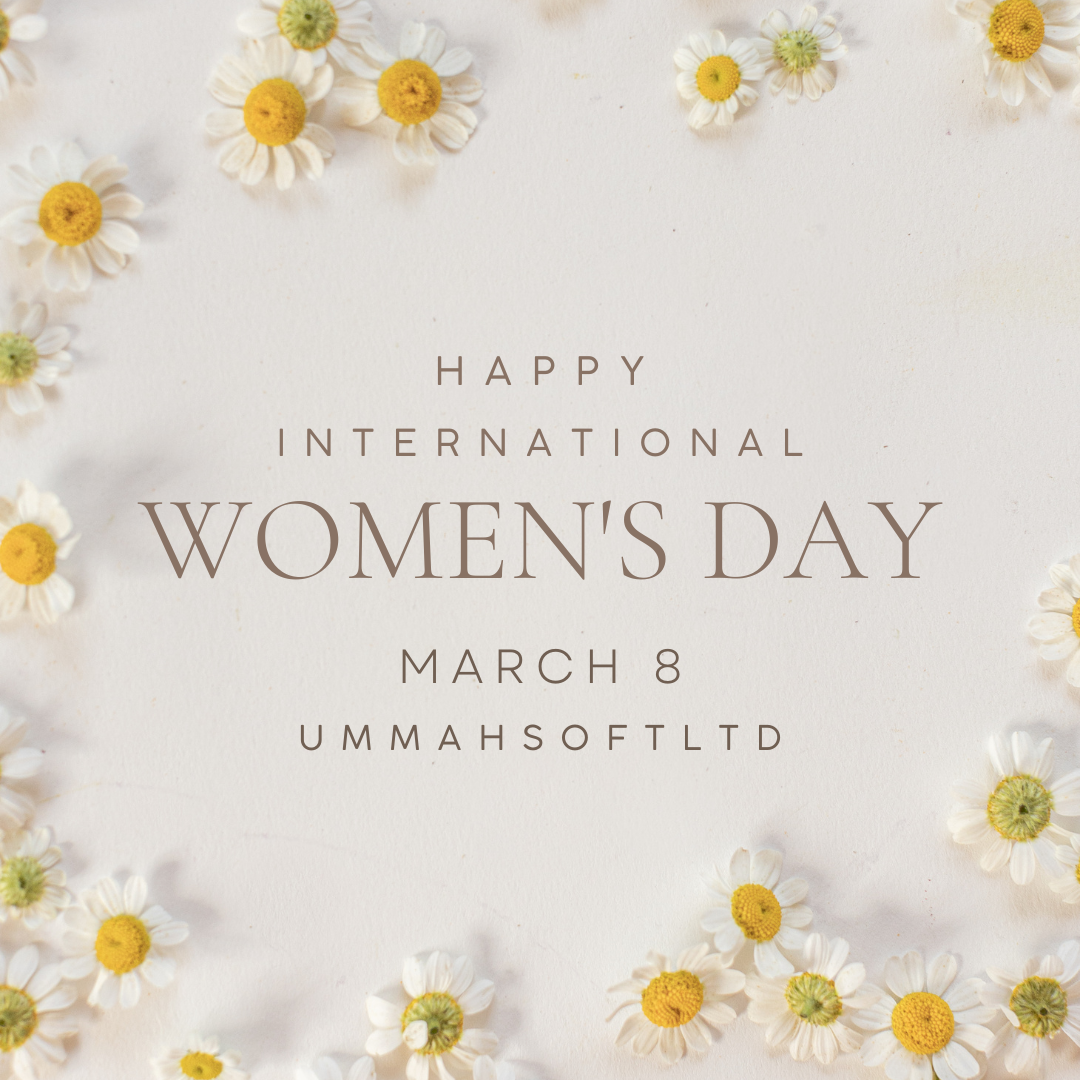
Celebrating International Women’s Day: Empowering Change, Embracing Equality
Introduction:
International Women’s Day is more than just a date on the calendar; it’s a global celebration of the social, economic, cultural, and political achievements of women. It’s a day to recognize the progress made towards gender equality and to acknowledge the work that still needs to be done. On this day, we honor the contributions of women around the world and reflect on how we can continue to support and empower them.
Empowerment Through Education:
One of the most powerful tools for empowering women is education. Education not only opens doors to opportunities but also fosters confidence and independence. Across the globe, there are countless stories of women breaking barriers and defying societal expectations through education. From Malala Yousafzai advocating for girls’ education to the countless women pursuing degrees and careers in traditionally male-dominated fields, education is the cornerstone of empowerment.
Breaking Glass Ceilings:
Despite significant progress, women still face barriers in the workplace, often referred to as the “glass ceiling.” International Women’s Day is an opportunity to highlight the achievements of women in leadership positions and to advocate for greater representation in boardrooms, politics, and other spheres of influence. When women have a seat at the table, diverse perspectives are valued, and decisions are more reflective of the population as a whole.
Challenging Gender Stereotypes:
Society often imposes rigid gender roles and stereotypes that limit the potential of both men and women. International Women’s Day encourages us to challenge these stereotypes and create a more inclusive world where individuals are free to pursue their passions regardless of gender. Whether it’s breaking down stereotypes in children’s toys or challenging outdated notions of masculinity and femininity, every small step towards gender equality is a step in the right direction.
Intersectionality and Inclusivity:
It’s essential to recognize that the experiences of women vary greatly depending on factors such as race, ethnicity, sexual orientation, disability, and socioeconomic status. Intersectional feminism acknowledges these intersecting identities and advocates for the rights of all women, particularly those facing multiple forms of discrimination. International Women’s Day serves as a reminder to center the voices of marginalized women and work towards a more inclusive movement.
Looking Ahead:
As we celebrate International Women’s Day, let us not forget that the fight for gender equality is far from over. It requires ongoing commitment and action from individuals, communities, and governments worldwide. By empowering women, challenging stereotypes, and promoting inclusivity, we can create a world where every person, regardless of gender, has the opportunity to thrive. Together, let’s continue to strive for a more equitable and just society for all.


Hi, this is a comment.
To get started with moderating, editing, and deleting comments, please visit the Comments screen in the dashboard.
Commenter avatars come from Gravatar.