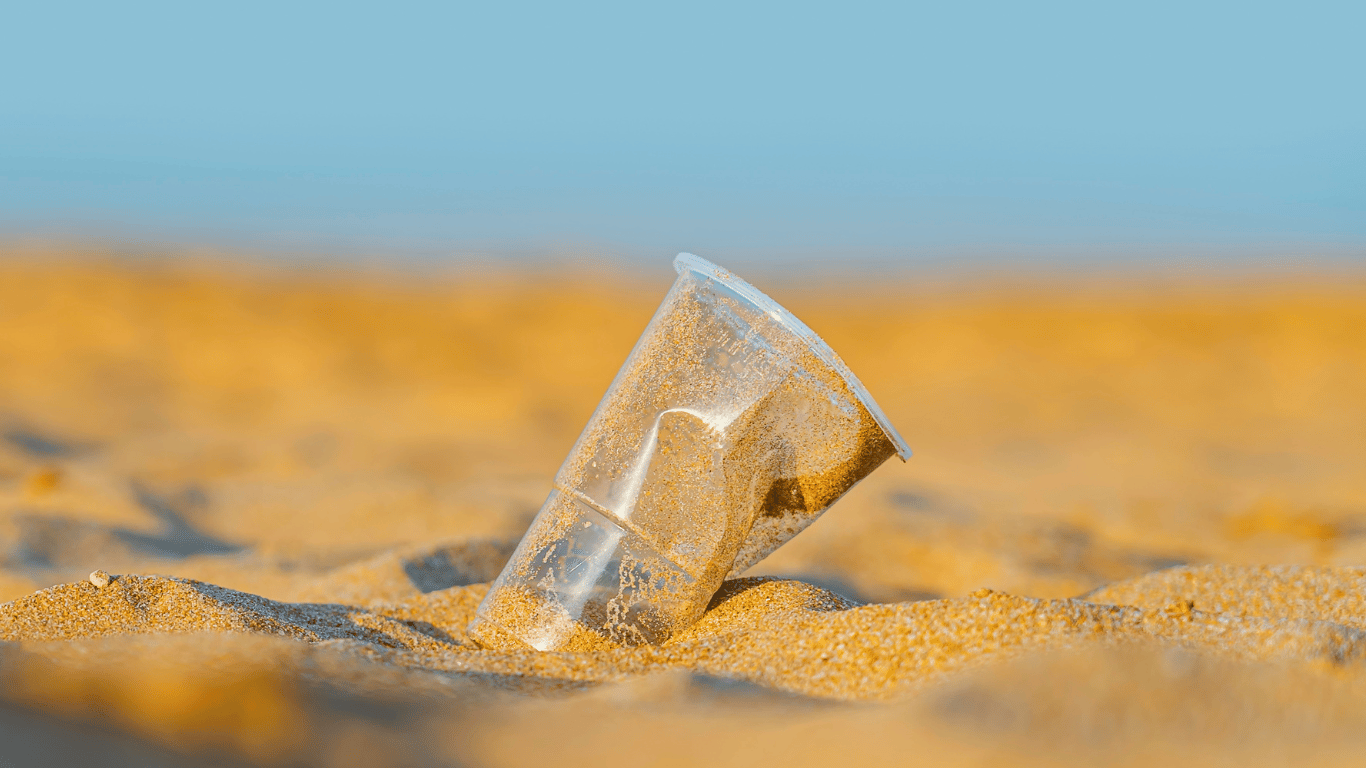
Introduction: Plastic pollution has emerged as one of the most pressing environmental challenges of our time, with far-reaching consequences for ecosystems, wildlife, and human health. As we confront this global crisis, it’s imperative to understand the scale of the problem and its profound impact on the world environment. In this article, we delve into the alarming statistics surrounding plastic pollution and its devastating effects on our planet.

The Scale of Plastic Pollution
Each year, an estimated 8 million tons of plastic waste find their way into our oceans, equivalent to dumping a garbage truck’s worth of plastic into the sea every minute. This staggering volume of plastic pollution poses a significant threat to marine life, with millions of seabirds, marine mammals, and sea turtles falling victim to entanglement, ingestion, and habitat destruction.
The Economic Toll
The economic costs of plastic pollution are equally concerning, with studies estimating that the environmental damage caused by plastic waste could cost the global economy up to $2.5 trillion annually by 2050. From tourism and fishing industries to public health expenditures, the ripple effects of plastic pollution are felt across sectors, straining economies and hindering sustainable development efforts.
Health Implications
Plastic pollution doesn’t just harm wildlife; it also poses a direct threat to human health. Microplastics, tiny particles less than 5mm in size, have been found in drinking water, seafood, and even the air we breathe. These microplastics can contain toxic chemicals and pollutants, posing risks to human health, including potential carcinogenic effects and disruption of hormonal systems.
The Urgency for Action
Addressing plastic pollution requires urgent and concerted action at local, national, and global levels. While efforts to reduce single-use plastics and promote recycling are essential, they must be accompanied by broader systemic changes, including improved waste management infrastructure, enhanced corporate responsibility, and innovative solutions to plastic alternatives.
As we confront the global scourge of plastic pollution, it’s clear that the stakes are high. The statistics surrounding plastic pollution paint a stark picture of its far-reaching impacts on our environment, economy, and health. Yet, amidst the challenges, there is also room for hope. By raising awareness, advocating for policy change, and embracing sustainable practices, we can turn the tide on plastic pollution and build a cleaner, healthier future for generations to come.